What Is an Environmental Site Assessment (ESA)?
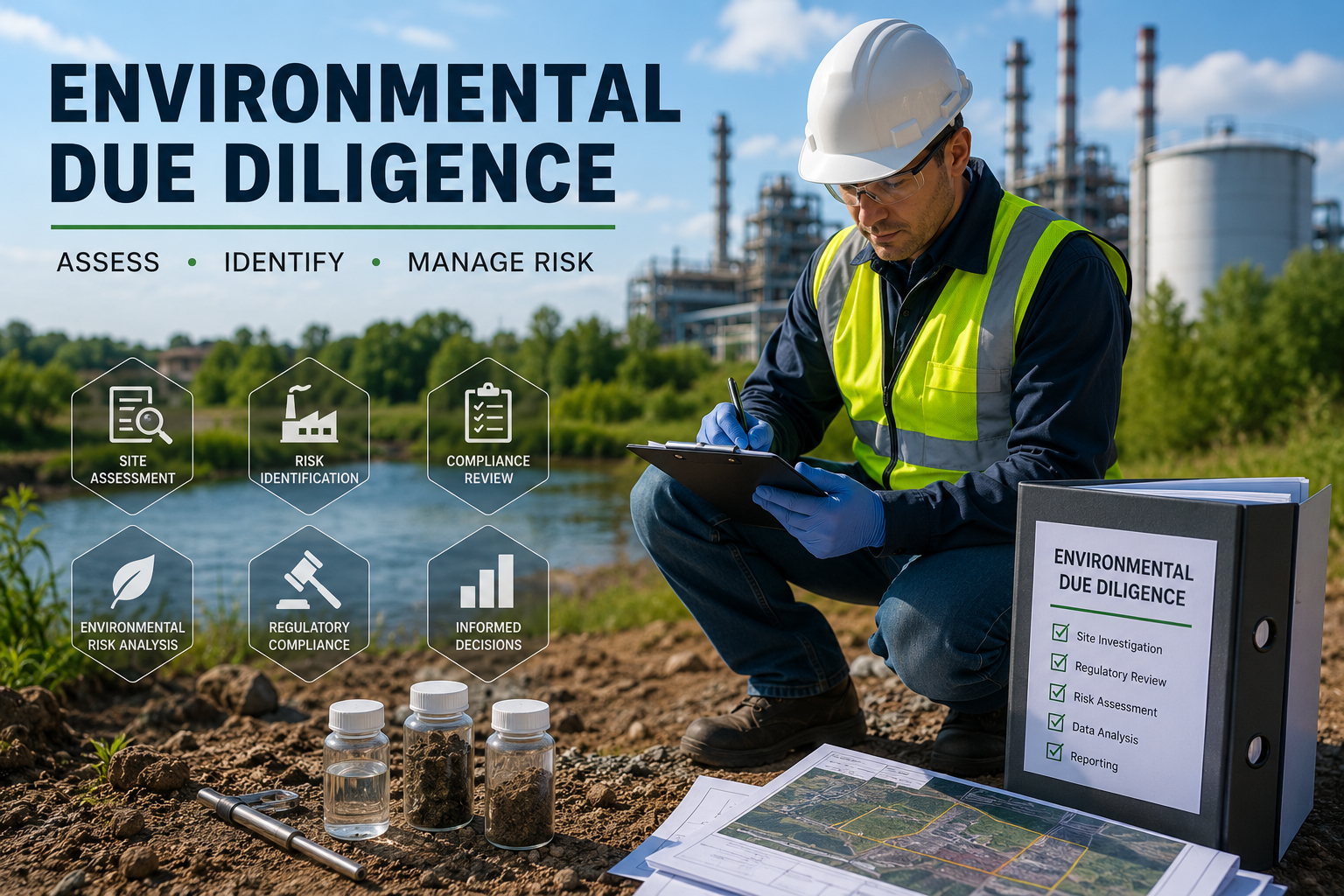
An Environmental Site Assessment (ESA) is a professional investigation used to evaluate a property for environmental contamination, soil pollution, groundwater risks, and hazardous substances.
It is a critical part of environmental due diligence for anyone buying, selling, financing, or developing commercial or industrial property.
The main goal of an ESA is to identify environmental risks before they become costly legal or financial problems.
Why Environmental Site Assessment (ESA) Is Important
Environmental Site Assessments are essential for:
- Commercial real estate transactions
- Industrial property purchases
- Construction and development projects
- Bank financing and mortgage approval
- Legal environmental compliance
Key Benefits:
- Avoid expensive cleanup costs
- Reduce legal liability risks
- Ensure environmental compliance
- Protect investment value
- Support safe land development
- Meet lender and regulatory requirements
Phase I Environmental Site Assessment (Phase I ESA)
What Is Phase I ESA?
A Phase I Environmental Site Assessment is a non-intrusive inspection of a property to identify potential environmental contamination risks.
It does NOT include physical testing. Instead, it focuses on historical and visual investigation.
What Phase I ESA Includes
A Phase I ESA typically includes:
- Site inspection (visual survey)
- Historical land use review
- Aerial photograph analysis
- Government database search
- Regulatory records review
- Interviews with property owners
- Evaluation of hazardous material use
When Phase I ESA Is Required
You need a Phase I ESA when:
- Buying commercial or industrial property
- Selling land to a business or investor
- Applying for bank financing
- Redeveloping old industrial sites
- Leasing high-risk properties
Outcome of Phase I ESA
- No recognized environmental condition (REC) → Safe for use
- Potential contamination risk identified → Requires Phase II ESA

Phase II Environmental Site Assessment (Phase II ESA)
What Is Phase II ESA?
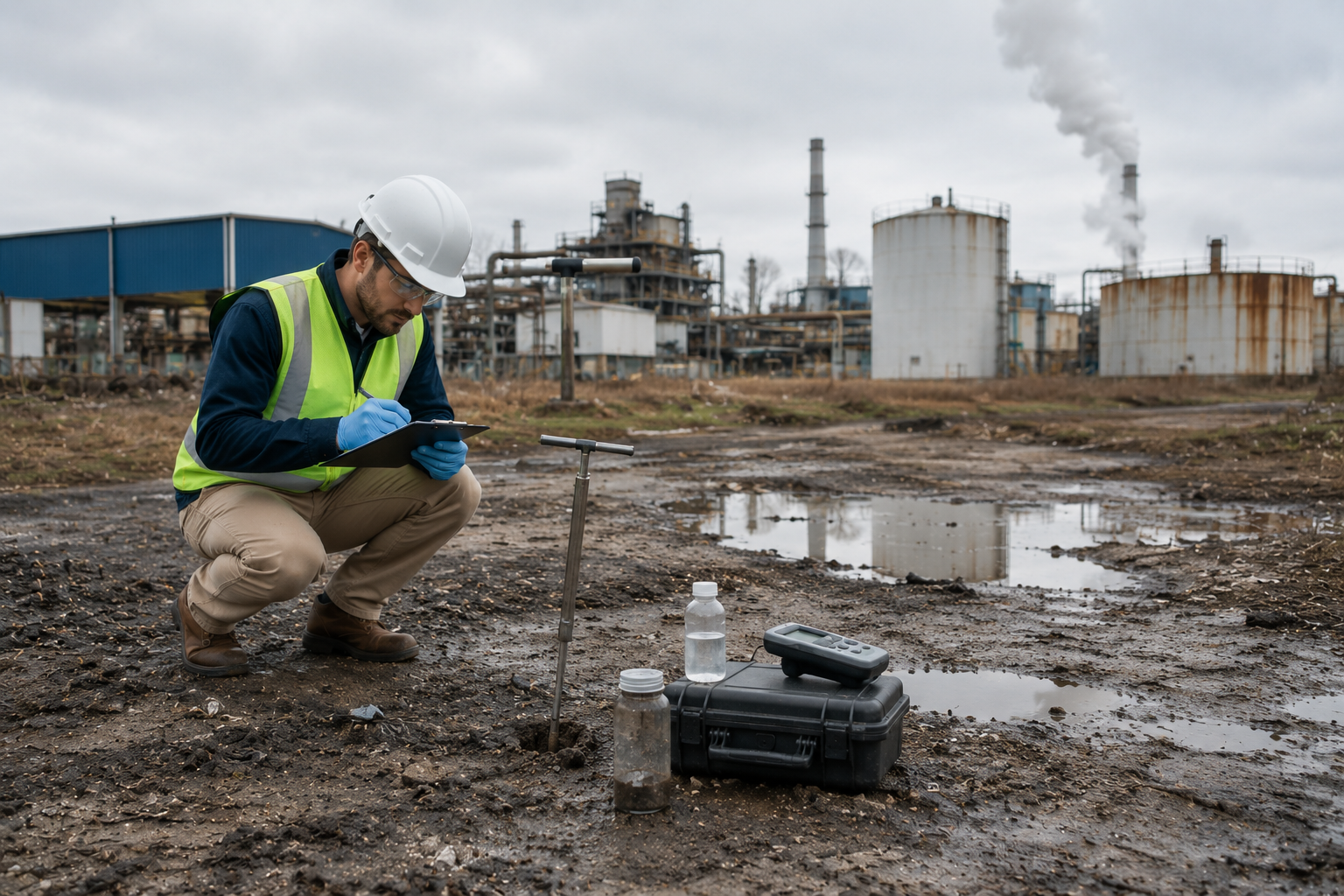
A Phase II ESA is a detailed environmental investigation involving laboratory testing of soil, groundwater, or building materials.
It is performed when Phase I ESA identifies potential contamination risks.
What Phase II ESA Includes
- Soil sampling and testing
- Groundwater sampling
- Laboratory chemical analysis
- Contamination mapping
- Risk level evaluation
- Environmental impact reporting
Why Phase II ESA Is Critical
Phase II ESA helps determine:
- Type of contamination
- Severity of pollution
- Cleanup requirements
- Cost of remediation
- Legal responsibility
Common Environmental Risks Found in ESA
Environmental Site Assessments often identify:
- Soil contamination (oil, fuel, chemicals)
- Groundwater pollution
- Asbestos materials
- Heavy metals (lead, arsenic, mercury)
- Industrial waste contamination
- Underground storage tanks (USTs)
- Hazardous waste disposal sites
Environmental Due Diligence in Real Estate
ESA is a core part of Environmental Due Diligence, which protects:
- Real estate investors
- Banks and lenders
- Developers
- Property buyers
Without ESA, buyers risk inheriting hidden environmental liabilities that can cost millions in cleanup and legal penalties.
Who Needs Environmental Site Assessment Services?
Environmental Site Assessments are required by:
- Real estate developers
- Industrial companies
- Construction firms
- Government agencies
- Oil & gas companies
- Manufacturing facilities
- Financial institutions
Environmental Site Assessment vs Environmental Inspection
| ESA | Environmental Inspection |
|---|---|
| Focuses on property contamination risk | Focuses on compliance with regulations |
| Includes Phase I & Phase II studies | Operational monitoring |
| Used in real estate transactions | Used in ongoing compliance |

Cost of Environmental Site Assessment (ESA)
ESA cost depends on:
- Property size
- Location
- Complexity of site history
- Phase I or Phase II requirement
Generally:
- Phase I ESA: Lower cost, desk study + inspection
- Phase II ESA: Higher cost due to lab testing
Environmental Regulations Related to ESA
Environmental Site Assessments support compliance with:
- Environmental protection laws
- EPA guidelines
- Local environmental authorities
- Industrial safety regulations
- Real estate lending requirements

How Environmental Consultants Conduct ESA
Professional environmental consultants follow a structured process:
- Initial property review
- Historical data collection
- Site inspection
- Risk identification
- Sampling (if needed)
- Laboratory testing
- Final ESA report
Benefits of Hiring Environmental Consultants for ESA
- Accurate risk identification
- Legal protection
- Faster property approval
- Reliable scientific testing
- Compliance with environmental laws
- Reduced financial risk
Frequently Asked Questions (FAQ)
What is Environmental Site Assessment (ESA)?
ESA is a process used to evaluate whether a property is contaminated or environmentally risky before purchase or development.
What is the difference between Phase I and Phase II ESA?
Phase I is a non-invasive study, while Phase II includes physical soil and water testing.
Why is ESA important in real estate?
It prevents buyers from inheriting environmental liabilities and ensures safe investment decisions.
Who performs Environmental Site Assessments?
Certified environmental consultants or environmental engineering firms perform ESA studies.
Final Thoughts
Environmental Site Assessment (ESA) is a critical step in protecting property investments, ensuring environmental compliance, and reducing legal risks.
Whether it is Phase I ESA for preliminary screening or Phase II ESA for contamination testing, these assessments provide essential data for safe and informed decision-making.
At THE ROCK ENVIRONMENTAL, we provide expert Environmental Site Assessment services to help businesses, developers, and investors make confident, compliant, and risk-free property decisions.